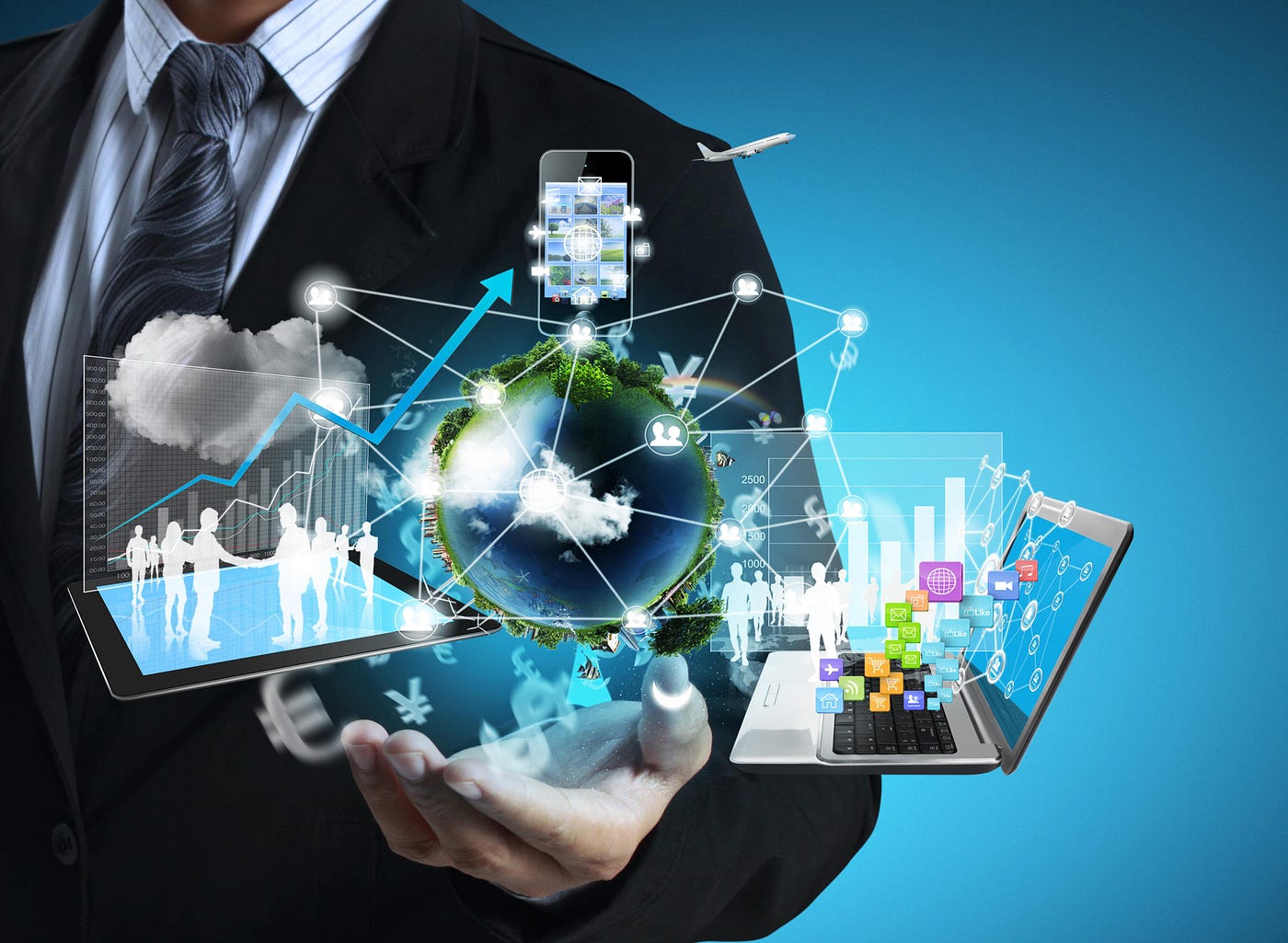
In today’s rapidly evolving world, technology has become a cornerstone of modern businesses. From small startups to multinational corporations, leveraging technological innovations is no longer optional—it’s essential. Businesses that embrace technology gain competitive advantages, improve efficiency, and enhance customer experiences. This article explores the various ways technology impacts modern businesses and why staying up-to-date is critical for success.
1. Streamlining Operations
One of the most significant impacts of technology on modern businesses is operational efficiency. Tools such as enterprise resource planning (ERP) systems, cloud computing, and automation software allow companies to streamline workflows and reduce manual labor. By automating routine tasks such as inventory management, payroll, and customer relationship management (CRM), businesses save time and minimize errors. This efficiency not only reduces costs but also allows employees to focus on strategic initiatives, driving overall growth.
2. Enhancing Communication
Effective communication is crucial for any business. Technology has transformed how organizations communicate internally and externally. Platforms like Slack, Microsoft Teams, and Zoom enable real-time collaboration, even for remote teams. Meanwhile, customer communication tools such as chatbots, email marketing software, and social media platforms help businesses engage with clients efficiently. The ability to communicate quickly and effectively fosters stronger relationships and accelerates decision-making processes.
3. Driving Innovation
Technology fuels innovation by providing tools and resources that help businesses develop new products and services. Artificial intelligence (AI), machine learning, and data analytics enable companies to identify trends, understand consumer behavior, and make informed decisions. For example, AI-powered recommendation systems enhance e-commerce platforms, offering personalized shopping experiences that increase sales. Similarly, 3D printing allows manufacturers to prototype products quickly, reducing time to market and fostering creativity.
4. Improving Customer Experience
In a competitive market, customer experience is a key differentiator. Technology plays a crucial role in enhancing how businesses interact with their customers. Mobile apps, responsive websites, and AI-driven customer service platforms provide convenience and accessibility. Companies can now collect data on customer preferences, allowing them to offer personalized experiences and targeted marketing campaigns. This level of customization not only boosts customer satisfaction but also increases loyalty and retention.
5. Expanding Market Reach
Technology enables businesses to reach global audiences like never before. E-commerce platforms, social media, and digital marketing tools allow even small businesses to connect with customers worldwide. Search engine optimization (SEO) and pay-per-click (PPC) advertising ensure that companies can attract targeted traffic to their websites. Additionally, cloud-based solutions allow businesses to operate internationally without establishing a physical presence, making globalization more accessible than ever.
6. Enhancing Security
With the rise of digital operations comes the need for robust cybersecurity measures. Technology helps businesses protect sensitive data and maintain trust with customers. Encryption, firewalls, multi-factor authentication, and AI-driven threat detection systems safeguard information against cyberattacks. Implementing strong security protocols not only prevents financial loss but also strengthens a company’s reputation, which is vital in today’s digital landscape.
7. Supporting Data-Driven Decisions
Modern businesses thrive on data. Technology provides the tools to collect, analyze, and interpret vast amounts of information. Business intelligence (BI) software, data analytics platforms, and predictive modeling allow companies to make informed, strategic decisions. By understanding market trends, consumer behavior, and operational performance, businesses can reduce risks, optimize strategies, and capitalize on new opportunities. Data-driven decision-making is no longer a luxury—it’s a necessity for staying competitive.
8. Facilitating Remote Work
The global shift toward remote work has been largely enabled by technology. Cloud computing, collaboration tools, and virtual private networks (VPNs) allow employees to work from anywhere without compromising productivity. Remote work solutions reduce overhead costs, attract top talent from diverse locations, and improve work-life balance. For businesses, this flexibility leads to increased employee satisfaction and retention, while maintaining operational efficiency.
9. Environmental Sustainability
Technology also supports sustainable business practices. Digital solutions reduce paper usage, optimize energy consumption, and minimize waste through efficient supply chain management. Renewable energy technologies, smart buildings, and energy-efficient systems help companies reduce their carbon footprint. By embracing green technologies, businesses not only contribute to environmental preservation but also appeal to environmentally conscious consumers, enhancing brand reputation.
Conclusion
The impact of technology on modern businesses is profound and multifaceted. From streamlining operations and improving communication to driving innovation and enhancing customer experiences, technology shapes how businesses operate and grow. Companies that adopt and adapt to technological advancements are better positioned to compete in the global marketplace. As technology continues to evolve, staying informed and leveraging the right tools will remain critical for business success. In essence, technology is no longer just a support function—it is the driving force behind modern business strategy.