Keeping communities clean and environmentally responsible requires more than occasional cleanup activities. It involves developing everyday habits that reduce waste, conserve natural resources, and encourage responsible use of materials. As residential areas and businesses continue to grow, the amount of discarded materials also increases. Finding practical ways to manage these materials can help protect the environment while creating a healthier and more organized community.
One of the most effective approaches to waste reduction is separating reusable materials from general household and commercial waste. Many items that people consider useless still contain valuable resources. Metals, plastics, cardboard, glass, and certain electronic components can often be processed and used again. Separating these materials before disposal makes waste management more efficient and reduces the amount of rubbish sent to landfills. For Lynchburg metal recyling contact BRC Co, Inc..
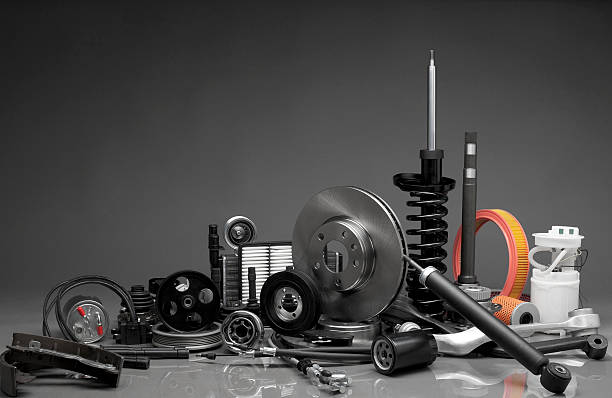
Metal products are particularly valuable because many types can be recycled repeatedly without losing their essential properties. Aluminum, steel, copper, and brass are commonly recovered from household appliances, construction materials, vehicles, and industrial equipment. Instead of allowing these materials to accumulate in storage areas or become unnecessary waste, property owners can explore responsible recovery options. Residents searching for Lynchburg metal recyling solutions can consider how properly handling unwanted metal materials contributes to resource conservation and cleaner surroundings.
Businesses also have an important role in improving local waste management practices. Manufacturing facilities, construction companies, automotive businesses, and renovation contractors may generate considerable amounts of leftover materials. Without an organized disposal system, these materials can occupy valuable workspace and create unnecessary environmental concerns. Establishing designated collection areas and arranging regular material removal can make operations more organized.
Another important benefit of responsible material recovery is the conservation of natural resources. Producing new metal products often requires extracting raw materials from the earth, processing them, and transporting them through different stages of manufacturing. These activities consume energy and can affect surrounding ecosystems. Recovering existing metals reduces the demand for some newly extracted resources and supports more efficient manufacturing processes.
Homeowners can also make a difference through simple decisions. Old appliances, broken equipment, metal furniture, plumbing fixtures, and unused tools should not automatically be treated as ordinary garbage. Before disposing of these items, people can check whether they contain materials suitable for recovery. Keeping unwanted items separated also makes future collection and transportation easier.
Education is another important part of building environmentally responsible communities. Many people are willing to participate in recycling programs but may not understand which materials are accepted or how they should be prepared. Local awareness campaigns, educational resources, and clear collection guidelines can help residents make better decisions. Schools, community organizations, and businesses can work together to encourage responsible disposal habits.
Safety should also remain a priority when handling unwanted materials. Sharp metal edges, heavy equipment components, damaged appliances, and other discarded objects can cause injuries if handled carelessly. Wearing appropriate protective equipment and following safe lifting practices can reduce potential risks. Certain electronic products and appliances may also require specialized handling because they contain components that should not enter ordinary waste streams.
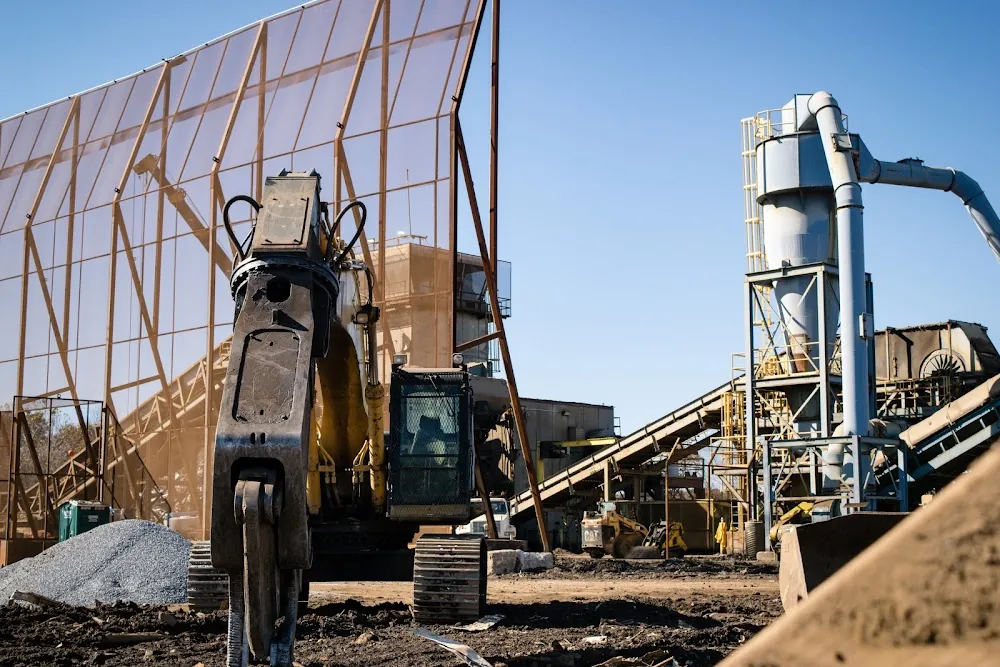
Technology and improved processing methods continue to make material recovery more efficient. Modern facilities use specialized equipment to sort, separate, and prepare different materials for further processing. These improvements help increase the amount of reusable material recovered while reducing unnecessary waste.
Ultimately, cleaner communities depend on consistent efforts from individuals, businesses, and local organizations. Responsible waste management is not limited to large industrial operations; everyday decisions can also contribute to meaningful environmental improvements. By separating reusable materials, reducing unnecessary disposal, and supporting proper recovery practices, communities can make better use of existing resources and create a cleaner environment for future generations.