Expanding industrial production capacity can create valuable opportunities for manufacturing businesses. Increased capacity may allow companies to serve more customers, introduce additional products, and respond to growing market demand. However, successful expansion requires careful preparation. Purchasing additional machinery or increasing factory space does not automatically guarantee improved productivity.
Businesses must evaluate their existing production systems, workforce capabilities, supplier relationships, and infrastructure before introducing major changes. A structured approach can reduce financial risks and help companies achieve sustainable growth.
Evaluating Existing Production Capabilities
The first step in an expansion project is understanding how the current facility operates. Manufacturers should examine production schedules, machine utilization, employee workloads, maintenance records, and product rejection rates.
This information helps identify bottlenecks that limit production. For example, a factory may have enough assembly capacity but insufficient heating or material preparation equipment. Increasing the number of assembly workers would not solve this problem.
Managers should also examine seasonal demand and customer purchasing patterns. Expansion decisions based on temporary increases in orders may create unnecessary expenses if demand later declines.
A realistic assessment allows businesses to determine whether additional equipment, process improvements, or better scheduling would provide the most effective solution.
Choosing Equipment According to Production Requirements
Equipment selection should reflect the products being manufactured and the conditions under which production takes place. Machinery that appears affordable initially may become expensive if it cannot meet required performance standards.
Quartz-based components are used in certain specialized manufacturing environments because particular forms of quartz glass offer useful thermal and chemical properties. Their suitability depends on the intended application and the manufacturing specifications.
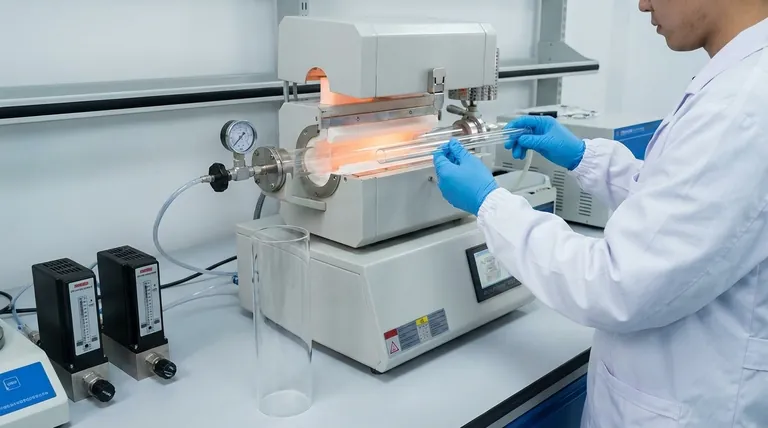
For instance, Large Diameter Fused Quartz Tubes for Laboratory Furnaces Tubes may be considered in specialized industrial heating and processing systems where larger dimensions are required. Engineers must evaluate tube diameter, wall thickness, operating temperature, and equipment compatibility before approving a purchase.
Businesses should also consider installation requirements, maintenance accessibility, energy consumption, and expected service life.
Understanding Facility Requirements
Industrial expansion frequently requires changes to existing infrastructure. Additional machinery can increase electrical demand, ventilation requirements, cooling needs, and floor-loading considerations.
Facility planning should involve engineering, maintenance, and safety departments. These teams can determine whether the existing building can support new equipment or whether modifications are necessary.
The arrangement of machinery also affects production efficiency. Poorly planned layouts may create unnecessary transportation, limit employee movement, and complicate maintenance activities.
An effective facility design should provide suitable working space, clear material transportation routes, accessible equipment areas, and appropriate emergency exits.
Managing Suppliers and Material Availability
Production expansion generally increases demand for raw materials, replacement parts, and specialized components. Businesses must ensure that suppliers can support higher purchasing volumes without creating delivery interruptions.
Depending on a single supplier can create risks if transportation problems, production shortages, or unexpected price increases occur.
Companies should evaluate supplier manufacturing capabilities, quality documentation, communication practices, delivery performance, and technical support.
For critical components, maintaining a reasonable replacement inventory can reduce downtime. However, inventory decisions should reflect actual consumption and storage requirements rather than unnecessary purchasing.
Training Employees for New Operations
Introducing additional machinery changes the responsibilities of production employees. Workers may need training in equipment operation, process monitoring, troubleshooting, and maintenance procedures.
Training should take place before new systems become fully operational. Employees who understand equipment limitations are better prepared to recognize unusual conditions.
Managers should also establish clear responsibilities for equipment inspections and maintenance reporting. Communication between production and technical departments can prevent small problems from becoming expensive interruptions.
Maintaining Consistent Product Quality
Increasing production volume should not result in lower quality standards. Businesses must ensure that inspection procedures can handle additional output.
Automated measurement systems, standardized testing methods, and documented production procedures can help maintain consistency.
Manufacturers should monitor defect rates after expansion to determine whether new equipment or production methods are affecting product quality. Customer feedback and product performance reports can provide additional information.
When problems appear, corrective action should focus on identifying their underlying causes instead of simply increasing final inspections.
Building a Sustainable Expansion Strategy
Industrial expansion should support long-term business objectives rather than simply increase short-term output. Companies must consider future demand, technology changes, operating expenses, and equipment replacement requirements.
A phased expansion strategy can reduce financial pressure and allow businesses to evaluate performance before making additional investments.
Regular performance reviews help management determine whether new capacity is delivering expected benefits. Adjustments can then be made to production schedules, equipment configurations, and supplier arrangements.
Successful expansion requires coordination between engineering, procurement, production, and management teams. Businesses that plan carefully can increase capacity while protecting product quality, improving resource utilization, and maintaining reliable operations.