You sweat through another high-performance workout. Your shirt promises water-repellent, stain-resistant, sweat-wicking results. But those finishes often come from PFAS—chemicals linked to serious health issues. Labels never say “PFAS.”
This guide exposes the hidden forever chemicals in clothing. You’ll learn where PFAS in clothing comes from, how to decode misleading labels, and how to find truly non-toxic activewear.
What Are PFAS and Why Are They in Your Activewear?
PFAS (per- and polyfluoroalkyl substances) are called forever chemicals in clothing because they never fully break down. They accumulate in your body and the environment. Clothing brands add them to fabrics for specific performance claims. Here’s where they hide.
Water-Repellent Finishes
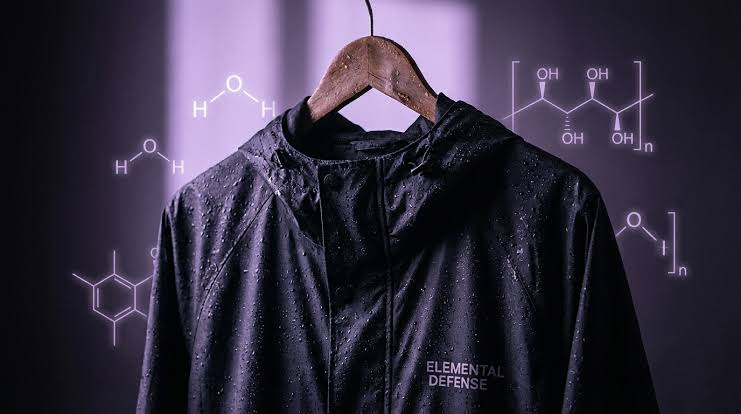
A light drizzle beads up on your jacket. That water-repellent layer often relies on fluorinated coatings. Studies link these compounds to hormone disruption and immune system damage. Your skin absorbs trace amounts every time you wear them.
Stain-Resistant Treatments
Spills slide right off your shirt. That stain guard treatment probably contains PFAS. The finish creates a chemical barrier on the fabric. This barrier sheds microplastics onto your skin and into your home.
Sweat-Wicking Claims
Moisture management sounds high-tech. But many sweat-resistant finishes add a fluorochemical layer. Sweat and friction may increase how much your skin absorbs. Research suggests this exposure builds over time.
How to Spot Forever Chemicals on the Label
Clothing labels never list “PFAS.” Instead, brands use marketing-friendly terms that hide fluorinated treatments. Learn to recognize these code words:
- DWR (Durable Water Repellent) – Typically a fluoropolymer coating that repels water. Most DWR finishes contain PFAS unless labeled PFAS-free.
- Stain Guard or Stain Resistant – A chemical shield bonded to fibers. The treatment often relies on perfluorinated compounds.
- Moisture Management – Can signal a synthetic wicking finish. Without a natural fiber claim, assume chemical enhancement.
- Fluorinated Finish – A direct nod to fluorine chemistry. This is an obvious red flag.
- PFC-Free – Perfluorinated compounds (PFCs) are a subgroup of PFAS. A PFC-free label might still include other PFAS variants.
Manufacturers count on you not knowing these terms. When you swap to organic cotton boxer briefs, you sidestep the guessing game entirely. Natural plant fibers manage moisture through structure, not chemical coatings.
Your Checklist for Non-Toxic Activewear
Every workout piece you choose should bypass PFAS entirely. Use these criteria to evaluate your next purchase.
GOTS-Certified Organic Cotton
This certification guarantees the fiber was grown without toxic pesticides or synthetic fertilizers. Without it, you risk wearing residue from chemicals banned in other products.
Free of Carcinogens and Hormone Disruptors
Avoid fabrics treated with formaldehyde, BPA, phthalates, or hazardous dyes. If a brand hides its chemical inputs, assume the worst. Long-term exposure to these substances correlates with chronic health conditions.
Breathable Natural Fiber Structure
Synthetic fabrics trap heat and bacteria against your skin. The organic cotton in organic cotton boxer briefs breathes naturally. Its hollow fiber core wicks moisture without added chemicals.
No Polyester or Synthetic Blends
Polyester sheds microplastics and often carries PFAS-based finishes. Even recycled synthetics retain chemical residues. Pure natural fibers eliminate this risk entirely.
Chemical-Free Moisture Management
True sweat management comes from the weave and fiber properties, not a topical coating. Without chemical treatments, your skin avoids direct contact with fluorinated substances that sweat may activate.
Common Mistakes That Keep Forever Chemicals in Your Wardrobe
Trusting “Eco” or “Green” Buzzwords
Many brands use sustainability language to distract you. A tag that says “eco-friendly” or “responsibly sourced” means nothing without third-party certifications. These phrases often mask fluorinated finishing steps.
Skipping Certification Logos
Ignore the marketing copy and look for GOTS, OEKO-TEX Standard 100, or bluesign logos. Each verifies limited chemical use. Without them, you rely on an unverified promise.
Assuming All Cotton Is Safe
Conventional cotton uses heavy pesticides and synthetic fertilizers. Non-organic cotton can also receive stain-resistant or wrinkle-free treatments that involve PFAS. Always demand certified organic.
Overlooking Waistbands and Linings
Synthetic elastic bands, mesh liners, and hidden linings often contain phthalates and BPA. These hormone disruptors add another layer of hidden exposure. Inspect every component, not just the main fabric.
Thinking Performance Requires Chemicals
Marketing convinced you that workout gear needs high-tech finishes. But superior performance comes from fiber type and construction. Natural fibers breathe, thermoregulate, and move with your body without toxic assistance.
Frequently Asked Questions
Are all performance fabrics treated with PFAS?
Not all, but many water-repellent and stain-resistant finishes rely on them. Always check for clear “PFAS-free” claims alongside natural fiber content.
How can I tell if my clothing has forever chemicals?
Look for label terms like “DWR,” “stain guard,” or “fluorinated finish.” If no third-party certification explicitly states PFAS-free, assume the finish contains them.
What are the health risks of wearing PFAS-treated clothing?
Studies link PFAS exposure to hormone disruption, lowered immunity, and increased cancer risk. Sweat and skin friction may accelerate absorption of these substances.
Where can I find activewear without forever chemicals?
Opok designs men’s activewear from GOTS-certified organic cotton, free of PFAS, BPA, and phthalates. Their boxer briefs and workout shirts prove performance never needs synthetic toxins.
The Cost of Waiting
Every workout in treated synthetics adds to your chemical burden. You absorb trace amounts of fluorinated compounds, microplastics, and endocrine disruptors session after session. This steady exposure accumulates in your blood and tissues over years.
The fitness industry slowly shifts as more athletes connect poor health outcomes to fabric chemistry. But waiting for brands to change voluntarily leaves your health in their hands. Your performance gear should boost your wellness, not undermine it.
Ditch the marketing spell. Your next purchase can either perpetuate the problem or break the cycle. Choose materials that work with your biology rather than against it.