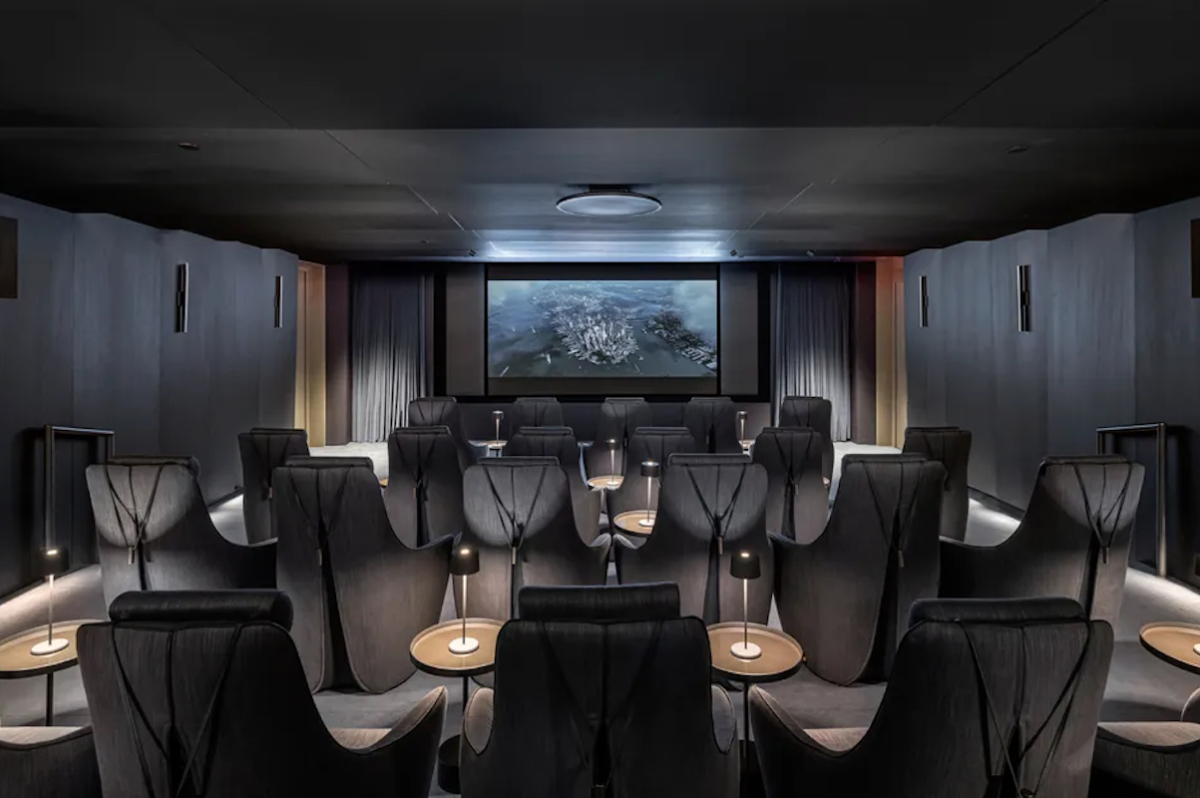
Exclusive clubs have always fascinated curated luxury lifestyle member club people across the world. These private spaces are not just about luxury; they represent status, networking power, tradition, and in many cases, secrecy. Membership is often restricted, highly selective, and sometimes even invitation-only, making these clubs symbols of elite social circles. In this article, we explore some of the most well-known names of exclusive clubs and what makes them so desirable.
What Makes a Club “Exclusive”?
Before looking at specific names, it’s important to understand what “exclusive” really means in this context. Exclusive clubs typically have:
- Strict membership criteria
- High entrance fees and annual dues
- Invitation-only or referral-based entry systems
- Strong privacy rules
- Elite social, business, or cultural networking opportunities
These clubs are often located in major global cities like New York, London, Paris, and Tokyo, where wealth and influence intersect.
Annabel’s – London’s Glamorous Private Club
One of the most famous names in the world of exclusive clubs is Annabel’s. Located in Mayfair, London, Annabel’s is known for its extravagant interior design, celebrity guests, and ultra-private atmosphere. Originally founded in the 1960s, it has evolved into a symbol of British high society.
Members include business leaders, entertainers, and global influencers. The club is famous for its themed rooms, fine dining, and strict no-photos policy, preserving its reputation for privacy.
Soho House – Creative Elite Network
Another globally recognized name is Soho House. Unlike traditional elite clubs that focus only on wealth, Soho House targets creative professionals in film, fashion, music, and media.
Founded in London, Soho House has expanded to cities like New York, Los Angeles, Berlin, and Istanbul. Its relaxed yet luxurious environment attracts artists, entrepreneurs, and cultural influencers. While it has become more widespread, it still maintains selective membership criteria to preserve its exclusivity.
Club 33 – Disney’s Hidden Luxury
One of the most secretive clubs in the world is Club 33, located inside Disneyland in California. Originally created by Walt Disney himself, Club 33 was designed as a private space for corporate sponsors and VIP guests.
Membership is extremely limited and can cost tens of thousands of dollars in initiation fees. The club is hidden inside the park, offering fine dining and private access away from the crowds. Its mystery and connection to Disney history make it one of the most talked-about exclusive clubs.
The Core Club – New York’s Elite Hub
In the heart of Manhattan, CORE Club is known as one of the most prestigious modern clubs in the United States. It caters to entrepreneurs, finance executives, and global elites.
The Core Club offers luxury amenities such as fine dining, wellness centers, art collections, and private meeting spaces. It is designed as a “home away from home” for influential individuals who value privacy and networking in equal measure.
The Hurlingham Club – Tradition and Prestige
Located in London, The Hurlingham Club is one of the most historic and prestigious private members’ clubs in the United Kingdom. Known for its beautiful grounds along the River Thames, it offers sports like tennis, croquet, and golf.
The club has a strong traditional membership culture and is considered one of the most difficult clubs to join. Its emphasis on heritage and etiquette makes it especially attractive to long-established elite families.
Garrick Club – A Historic Gentlemen’s Club
Another iconic London institution is Garrick Club. Founded in the 19th century, it has long been associated with actors, writers, and influential public figures.
The club is known for its artistic heritage and private library, as well as its strict membership policies. It represents a more traditional form of exclusivity rooted in culture and intellectual prestige.
Skull and Bones – A Secretive Society
Moving beyond social clubs, one of the most mysterious organizations is Skull and Bones at Yale University in the United States. Unlike typical private clubs, it operates as a secret society with limited public information.
Membership is highly selective, often including students who later become influential leaders in politics, law, and business. Its secrecy and historical influence have made it a subject of fascination for decades.
Roppongi Hills Club – Tokyo’s Elite Skyline Club
In Asia, Roppongi Hills Club stands out as one of the most exclusive social spaces in Japan. Located high above Tokyo in the Roppongi Hills complex, it offers panoramic city views, fine dining, and luxury networking spaces.
It attracts business executives, diplomats, and international professionals seeking a refined environment in one of Asia’s most dynamic cities.
Why These Clubs Remain So Popular
Despite modern changes in social networking and digital communication, exclusive clubs continue to thrive. Their appeal lies in:
- Privacy in an increasingly public world
- High-value networking opportunities
- Luxury experiences unavailable elsewhere
- A sense of belonging to a select group
For many members, the value is not just in the amenities but in the access—to people, opportunities, and influence.
Conclusion
The names of exclusive clubs around the world represent more than just luxury venues—they symbolize tradition, power, creativity, and privacy. From historic institutions like the Garrick Club to modern elite networks like Soho House and CORE Club, these organizations continue to define the upper tier of global social life.
Whether hidden inside theme parks or perched above city skylines, exclusive clubs remain fascinating gateways into a world that most people only glimpse from the outside.