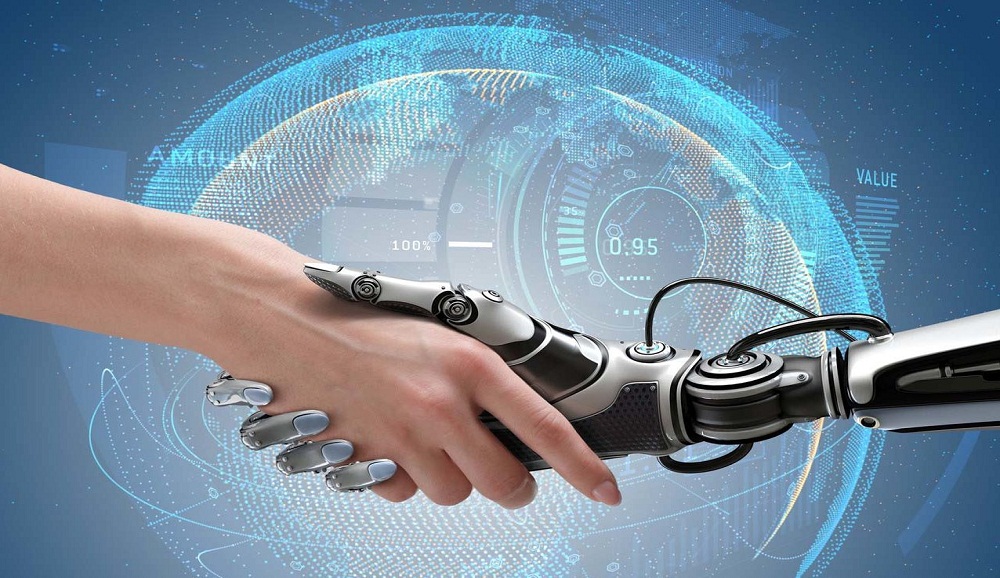
The rapid pace of technological innovation is transforming industries at an unprecedented rate. From healthcare to manufacturing, emerging technologies are not just enhancing existing processes—they are redefining how businesses operate, compete, and deliver value to consumers. Companies that fail to adopt these innovations risk falling behind, while early adopters can gain a significant competitive advantage. Here’s a closer look at some of the emerging technologies poised to reshape industries in the coming years.
Artificial Intelligence and Machine Learning
Artificial Intelligence (AI) and Machine Learning (ML) have moved beyond experimental applications to become central drivers of industry transformation. AI-powered analytics allow businesses to process massive amounts of data in real-time, uncovering insights that would be impossible for humans to detect. In retail, AI algorithms personalize customer experiences by predicting buying behavior, while in finance, AI models detect fraud with unmatched accuracy. As AI continues to evolve, its integration into robotics, autonomous systems, and decision-making processes will redefine efficiency across sectors.
Blockchain Technology
Blockchain technology, once primarily associated with cryptocurrencies, is making waves across multiple industries. Its decentralized ledger system ensures transparency, security, and traceability, which is particularly valuable in supply chain management, healthcare, and finance. By providing immutable records, blockchain helps reduce fraud, streamline contract management, and enhance accountability. Industries that rely heavily on transactions or logistics are exploring blockchain as a way to simplify operations and reduce costs, signaling a major shift in traditional business models.
Internet of Things (IoT)
The Internet of Things (IoT) connects devices, machines, and systems to the internet, enabling real-time monitoring and automation. Smart factories, for example, use IoT sensors to track equipment performance, reduce downtime, and improve production efficiency. In agriculture, IoT-enabled devices monitor soil conditions and crop health, helping farmers optimize yields. Healthcare providers are leveraging connected devices to monitor patient vitals remotely, improving outcomes and reducing hospital readmissions. As IoT networks expand, the data they generate will become a critical resource for innovation and operational optimization.
5G Connectivity
The rollout of 5G networks promises to revolutionize industries by providing ultra-fast, low-latency connectivity. This next-generation wireless technology enables real-time communication for devices, vehicles, and industrial systems. In the automotive sector, 5G supports autonomous vehicles by ensuring instantaneous data exchange between vehicles and traffic infrastructure. Telemedicine benefits from high-definition video consultations without lag, while manufacturers can implement fully automated smart factories with seamless coordination. The widespread adoption of 5G will accelerate digital transformation and open doors to new business models.
Augmented Reality (AR) and Virtual Reality (VR)
AR and VR are transforming how businesses interact with customers and employees. In retail, AR applications allow customers to visualize products in their homes before purchase, enhancing engagement and reducing returns. VR is revolutionizing training and education, enabling immersive simulations for complex tasks such as surgery or machinery operation. The entertainment and real estate industries are also exploring these technologies to create captivating, interactive experiences. As hardware becomes more accessible and software more sophisticated, AR and VR will play an increasingly central role in business innovation.
Quantum Computing
Quantum computing, though still in its early stages, has the potential to solve problems that are currently beyond the reach of classical computers. Its ability to perform complex calculations at unprecedented speeds could transform industries like pharmaceuticals, logistics, and financial services. For example, quantum algorithms could model molecular structures for drug discovery in a fraction of the time it takes today. Banks and insurers may use quantum computing for risk assessment and optimization, providing new insights and efficiencies. While widespread adoption is still years away, the promise of quantum technology is driving significant investment and research.
Renewable Energy and Advanced Materials
Sustainability has become a top priority for many industries, and emerging technologies in renewable energy and materials science are crucial in this shift. Innovations in solar, wind, and battery storage technologies are enabling companies to reduce carbon footprints while maintaining operational efficiency. Advanced materials, such as graphene and biodegradable composites, are creating lighter, stronger, and more sustainable products across sectors. As regulatory pressures increase and consumers demand greener solutions, these technologies will be key to the future of industrial development.
Conclusion
Emerging technologies are no longer just optional tools—they are essential drivers of innovation and competitive advantage. Businesses that strategically adopt AI, blockchain, IoT, 5G, AR/VR, quantum computing, and sustainable technologies will not only streamline operations but also redefine industry standards. Staying informed and investing in these technologies is critical for companies that aim to thrive in the ever-evolving digital landscape. The industries of tomorrow will look drastically different from today, and early adopters will lead the transformation.
By embracing these technologies now, organizations can future-proof their operations, deliver better experiences, and remain competitive in a world where innovation moves at lightning speed.